

Why Consider a Website Redesign?
Over time, websites can become outdated, not just in appearance but also in functionality and compliance. A redesign can address several critical areas:
Accessibility Compliance
Ensuring your site meets standards like the Accessibility for Ontarians with Disabilities Act (AODA) is crucial for inclusivity.
Outdated Branding
A re-brand is a perfect time to re-evaluate and re-design your website. Start fresh!
Improved User Experience (UX)
A well-structured site enhances navigation, making it easier for visitors to find information and engage with your content.
Enhanced SEO Performance
A redesign offers an opportunity to optimize your site for search engines, increasing visibility and reach.

Key Steps to a Successful Website Redesign
1. Conduct a Comprehensive Site & Brand Audit
Begin by evaluating your current website’s performance and visual identity. Identify which pages receive the most traffic, have the highest engagement, and rank well in search engines, while also assessing whether your branding, tone, and visuals still reflect who you are today. Tools like Google Analytics and Google Search Console can provide valuable insights to guide both design and content decisions.
2. Define Clear Objectives
Establish what you want the redesign to achieve. Goals may include refreshing your brand, improving accessibility, meeting modern web standards, increasing donations, enhancing engagement, or better showcasing your programs and services. Clear objectives help ensure design, content, and functionality work together strategically.
3. Re-evaluate and Refine Content
A redesign is the ideal time to assess what content still serves your audience—and what doesn’t. Review pages for clarity, relevance, and hierarchy; consolidate or retire outdated content; and refine messaging to align with your refreshed brand and current priorities. This ensures the new site is not only visually updated, but more focused and effective.
4. Engage Stakeholders
Involve key stakeholders—staff, volunteers, leadership, and where appropriate, members of your audience—early in the process. Their insights can help validate priorities, clarify content needs, and ensure the redesigned site supports real-world use cases.
5. Prioritize Accessibility from the Start
Ensure the redesigned website adheres to accessibility standards. This includes appropriate colour contrast, readable typography, alt text for images, logical heading structure, and full keyboard navigation. Accessibility broadens your audience, supports inclusive design, and aligns with legal and organizational requirements.
6. Design for a Contemporary, Responsive Experience
Modern websites must scale seamlessly across devices. A responsive design approach ensures layouts, typography, and navigation adapt gracefully to different screen sizes—from mobile to desktop—while maintaining visual clarity and usability. This flexibility supports both user experience and long-term site sustainability.
7. Maintain SEO Equity
Protect your existing search visibility throughout the redesign by:
-
Mapping existing URLs: Retain URL structures where possible
-
Implementing 301 redirects: Redirect outdated URLs to relevant new pages
-
Updating metadata: Ensure titles and descriptions reflect refreshed content and branding
8. Test Thoroughly Before Launch
Before going live, test the site across devices, screen sizes, and browsers. Confirm that layouts scale properly, forms function as expected, pages load efficiently, and accessibility features perform correctly.
9. Post-Launch Review & Ongoing Improvement
After launch:
-
Monitor performance: Track engagement, traffic, and conversions
-
Gather feedback: Identify opportunities for refinement
-
Plan regular updates: Keep content current to support engagement, accessibility, and SEO over time
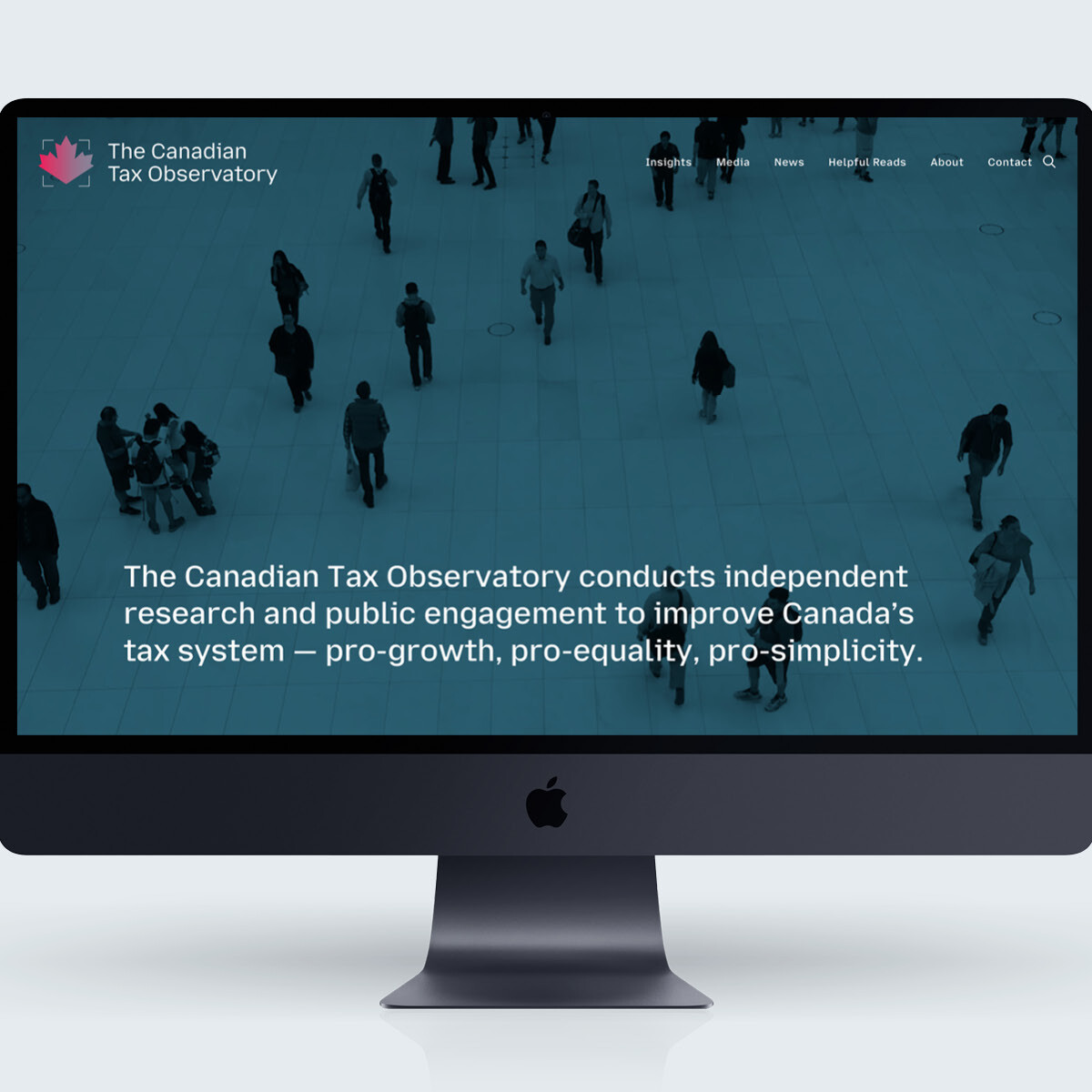
See our examples
Check out our web design work to see how we applied the principles discussed in this post and get in touch if we can help you get started with re-imagining your website.
More Insights

Content-Led Design Lets the Message Shape the Experience
Great design starts before the first layout. A content-led approach helps shape everything from structure and hierarchy to the final visual experience.

Branding Red Flags That Instantly Make You Look Outdated
Outdated branding isn’t always obvious—but it shows. Here are the subtle design red flags that can make your brand look behind, plus a quick 5-second test to see if yours is working.
How Well-Designed Annual Reports Elevate Canadian Nonprofits and Think Tanks
Discover how magazine-style, high-visual annual reports with mini identities help Canadian nonprofits and think tanks engage audiences and showcase research.
Let’s design something great together.
If our work resonates with you, we’d love to chat about your next project.